
Unlocking Mitochondrial Health: A Comprehensive Guide to Photobiomodulation Dosing with Red and Near-Infrared Light
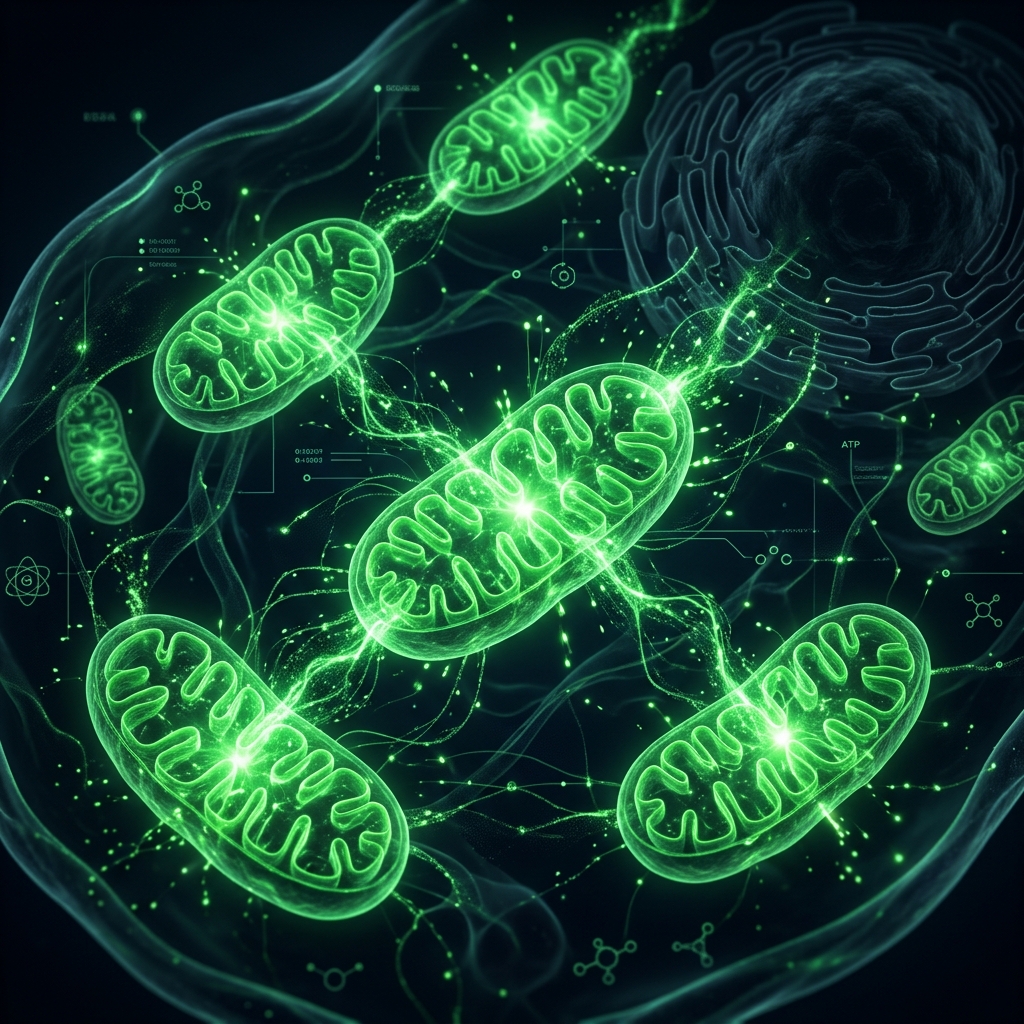
As the human body’s energy-producing powerhouses, mitochondria play a crucial role in maintaining overall health. However, when these tiny organelles become dysfunctional, it can have far-reaching consequences for our well-being. Photobiomodulation (PBM) has emerged as a promising therapeutic approach to boost mitochondrial function and promote cellular vitality. In this article, we’ll delve into the world of PBM dosing with red and near-infrared light, exploring the optimal protocols for harnessing the benefits of photobiomodulation.
The Science Behind Photobiomodulation
Photobiomodulation involves the application of specific wavelengths of low-level laser or light-emitting diodes (LEDs) to stimulate cellular responses. The most commonly used wavelengths for PBM are red and near-infrared, which have been shown to penetrate deep into tissue and target mitochondria directly.
- Red light (<630-700nm): Stimulates mitochondrial biogenesis and improves energy production
- Near-Infrared light (760-860nm): Enhances mitochondrial function and reduces oxidative stress
Dosing Strategies for Red and Near-Infrared Photobiomodulation
To achieve optimal results with PBM, it’s essential to understand the proper dosing strategies. Here are some key considerations:
- Wavelength selection:** Choose red or near-infrared light based on your goals (e.g., mitochondrial biogenesis or function enhancement)
- Pulse duration:** Short pulses (<1ms) for acute effects, long pulses (>10ms) for chronic effects
- Dosage:** Doses of 0.5-5J/cm² have been shown to be effective for improving mitochondrial function
- Treatment duration:** Sessions typically last between 1-20 minutes, depending on the application and desired outcome
- Frequency:** Treatments can be performed daily, every other day, or weekly, depending on the individual’s needs and tolerance
Case Studies and Clinical Applications
PBM has been applied in various clinical settings to address a range of conditions affecting mitochondrial health. Here are some notable examples:
- Cognitive impairment:** Red light PBM has shown promise in improving cognitive function and reducing symptoms associated with neurodegenerative diseases, such as Alzheimer’s and Parkinson’s
- Musculoskeletal pain:** Near-infrared light PBM has been used to alleviate chronic pain and inflammation in patients with conditions like fibromyalgia and arthritis
- Neuroprotection:** PBM has been explored as a potential adjunctive therapy for neuroprotective effects, particularly in the context of stroke and traumatic brain injury
Limitations and Future Directions
While photobiomodulation shows great promise for improving mitochondrial health, it’s essential to acknowledge the following limitations:
- Lack of standardization:** Variable protocols and devices can make it challenging to compare results across studies
- Individual variability:** Patients may respond differently to PBM based on factors like age, health status, and genetic predispositions
- Placebo effect:** The subjective nature of many symptoms being treated with PBM can make it difficult to control for placebo effects
Conclusion
Photobiomodulation has emerged as a powerful tool for enhancing mitochondrial function and promoting overall health. By understanding the optimal dosing strategies, wavelength selection, and treatment protocols, healthcare professionals and individuals alike can unlock the potential benefits of PBM. As research continues to advance our knowledge of this modality, we can expect to see expanded applications in various clinical settings.
🛡️ Protocols for the Future
Optimize your biology with the elite tools used in this protocol. Verified performance equipment and supplements.