
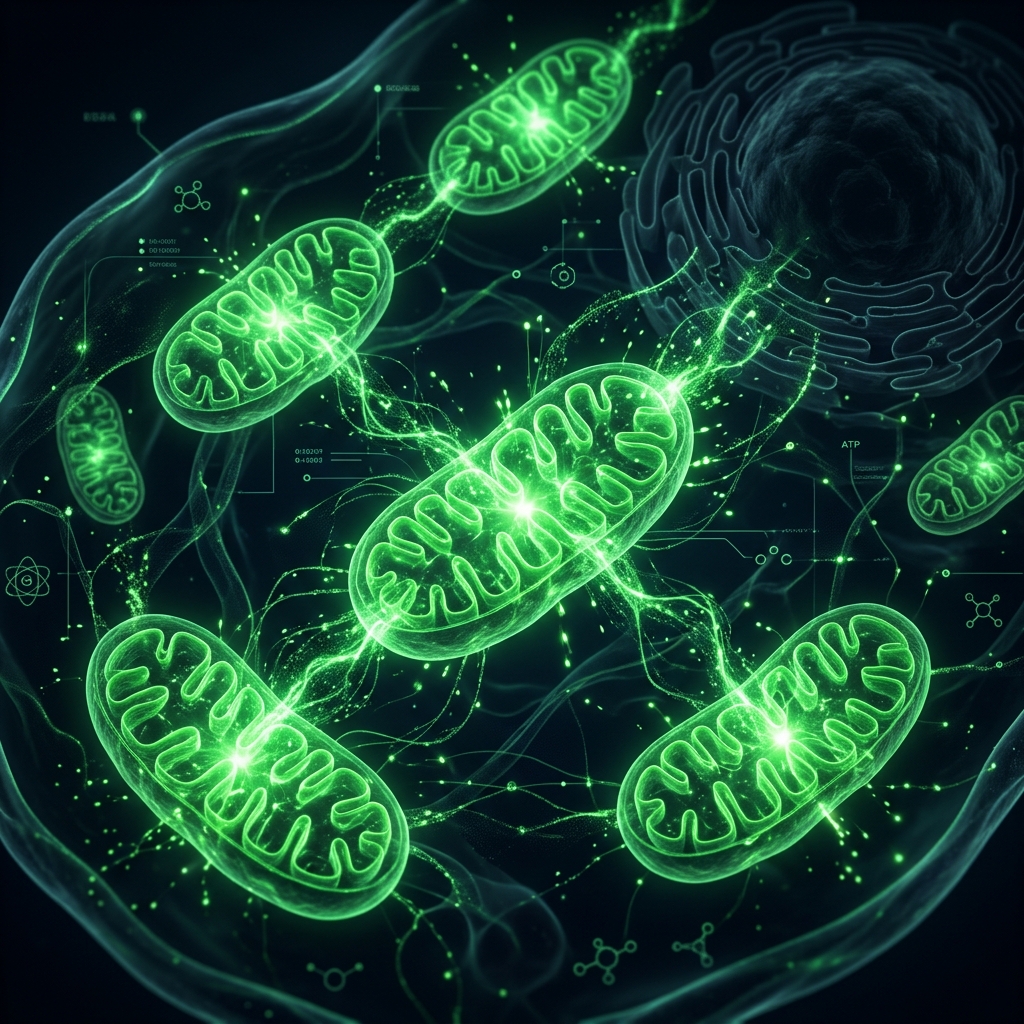
Biological Armor: The Science of BPC-157 and TB-500 for Joint and Tendon Resilience
In the world of elite athletics, aging, and rehabilitative medicine, the quest for “biological armor”—the ability to withstand extreme physical stress and recover from debilitating injury with superhuman efficiency—has led to a breakthrough in the study of peptide therapy. For decades, traditional medicine has relied on rest, physical therapy, and anti-inflammatory medications to manage connective tissue injuries. However, these methods often fail to address the underlying structural damage of tendons and ligaments, which are notoriously slow to heal due to their limited blood supply. Enter BPC-157 and TB-500, two potent regenerative compounds that have shifted the paradigm of musculoskeletal recovery. This comprehensive guide explores the deep science behind these peptides and how they work in synergy to build unparalleled joint and tendon resilience.
The Master Healer: Decoding the Mechanism of BPC-157
BPC-157 (Body Protective Compound 157) is a pentadecapeptide composed of 15 amino acids. It is a partial sequence of a protective protein found in human gastric juice. While its origins in the digestive system might seem unrelated to orthopedic health, BPC-157 has demonstrated a profound “cytoprotective” effect that extends far beyond the gut. The primary mechanism through which BPC-157 functions is the upregulation of growth factors and the acceleration of angiogenesis—the formation of new blood vessels.
For joints and tendons, blood flow is the most significant bottleneck in the healing process. Unlike muscles, which are highly vascularized, tendons are often “white zones” with minimal circulation. BPC-157 addresses this by stimulating the VEGFR2 (Vascular Endothelial Growth Factor Receptor 2) pathway, effectively “knitting” new vascular networks into damaged tissue. This allows for the delivery of oxygen and nutrients essential for repair. Furthermore, BPC-157 has been shown to influence the expression of EGR-1 (Early Growth Response 1), a protein responsible for inducing cytokine and growth factor production, which in turn stimulates collagen synthesis.
The resilience provided by BPC-157 isn’t just about speed; it’s about the quality of the repair. Research indicates that BPC-157 promotes the survival of tendon fibroblasts (the cells that produce the structural framework of the tendon) and enhances their migratory capacity. This leads to a more organized collagen matrix, reducing the likelihood of scar tissue formation which often leads to re-injury. By optimizing the internal environment for cellular repair, BPC-157 acts as a foundational layer of biological armor, protecting the structural integrity of the body’s “hinges.”
TB-500: The Catalyst for Cellular Migration and Tissue Regeneration
While BPC-157 focuses on the structural and vascular framework, TB-500 (a synthetic version of the naturally occurring Thymosin Beta-4) works on a different, yet complementary, level of cellular mechanics. Thymosin Beta-4 is found in high concentrations in blood platelets and is released at the site of tissue damage. Its primary role in the body is to regulate actin, a vital protein that allows cells to move and maintain their shape.
The “biological armor” provided by TB-500 stems from its ability to facilitate cell migration. When a tendon is torn or a joint is inflamed, the body needs to recruit progenitor cells to the site of the injury. TB-500 acts as a signaling beacon, enabling these cells to travel through the extracellular matrix more efficiently. This process is known as “chemotaxis.” By upregulating the polymerization of actin, TB-500 ensures that the “repair crew” of the body arrives at the damage site as quickly as possible.
In addition to its role in cell mobility, TB-500 is a powerful modulator of inflammation. Unlike non-steroidal anti-inflammatory drugs (NSAIDs) that can actually inhibit the healing process by suppressing necessary growth phases, TB-500 modulates the inflammatory response to ensure it remains productive rather than destructive. It has been shown to decrease pro-inflammatory cytokines while simultaneously promoting epithelialization and tissue remodeling. This makes it particularly effective for treating chronic joint stiffness and systemic inflammation that can compromise long-term athletic longevity.
The Synergistic Effect: Building Biological Armor for Elite Performance
When BPC-157 and TB-500 are used together, they create a synergistic environment that is greater than the sum of its parts. This combination is often referred to in the biohacking community as the “Ultimate Recovery Stack.” The reason for this synergy lies in the overlapping yet distinct pathways the two peptides utilize to fortify joint and tendon resilience.
- Structural Integrity vs. Mobility: BPC-157 builds the “bricks and mortar” by promoting collagen deposition and blood vessel growth, while TB-500 ensures that the “builders” (cells) can navigate the site and manage the “debris” (inflammation).
- Localized vs. Systemic Action: While both peptides can act systemically, BPC-157 is often noted for its potent localized healing effects on connective tissue, whereas TB-500 excels at systemic recovery, moving through the entire body to find and repair micro-trauma.
- Phases of Healing: BPC-157 is particularly effective during the proliferative phase of healing (building new tissue), whereas TB-500 shines during the migratory and remodeling phases (organizing that tissue into a functional state).
By implementing this dual-action approach, individuals can develop a “biological armor” that not only heals existing injuries but hardens the connective tissues against future stress. This is particularly relevant for those engaging in high-impact sports, heavy resistance training, or professions that require repetitive mechanical strain. The synergy of these peptides ensures that tendons remain pliable, ligaments stay strong, and joints retain their lubricating properties even under duress.
Clinical Insights: What the Research Says About Tendon and Ligament Repair
The scientific literature regarding BPC-157 and TB-500 is extensive, primarily consisting of in vivo animal studies that demonstrate remarkable regenerative capabilities. One of the most cited studies involves the Achilles tendon healing model. In rats with complete Achilles tendon transections, those treated with BPC-157 showed a significantly faster recovery of function and a higher density of organized collagen fibers compared to control groups. The treated tendons were not just “fixed”; they exhibited biomechanical properties similar to healthy, uninjured tissue.
Regarding TB-500 (Thymosin Beta-4), research has highlighted its efficacy in repairing ligamentous injuries, such as the medial collateral ligament (MCL). Studies show that the peptide accelerates the regeneration of the ligamentous structure by increasing the expression of laminin-5, a protein crucial for cell adhesion and tissue stability. Furthermore, TB-500 has been investigated for its cardioprotective and neuroprotective properties, suggesting its role as a master regulator of tissue survival across the entire human organism.
A critical aspect of these clinical insights is the shift from Type III collagen (scar-like, disorganized) to Type I collagen (structural, resilient). In many chronic tendon injuries, the body gets stuck in a cycle of “re-repairing” with weak Type III collagen. BPC-157 and TB-500 facilitate the conversion of this weak tissue into the strong, resilient Type I fibers that characterize healthy, “armored” tendons. This transformation is the key to resolving chronic tendinopathies like “tennis elbow” or “patellar tendonitis” that have failed to respond to traditional therapies.
Optimizing Resilience: Practical Considerations for Integration and Safety
Integrating BPC-157 and TB-500 into a protocol for joint and tendon resilience requires a sophisticated understanding of administration, timing, and safety. These peptides are typically administered via subcutaneous injection, as this allows for high bioavailability and direct entry into the systemic circulation. While BPC-157 is sometimes used orally for gut-related issues, the injectable route remains the gold standard for musculoskeletal repair.
Dosage and Cycling:
Typical research protocols for BPC-157 range from 250mcg to 500mcg twice daily. For TB-500, the protocol often involves a “loading phase” of 5mg to 10mg per week for the first few weeks, followed by a maintenance dose of 2mg to 5mg per week. The “Biological Armor” approach usually involves cycles of 6 to 12 weeks, depending on the severity of the degeneration and the specific goals of the individual. It is crucial to note that while these peptides are highly effective, they should be used as part of a holistic approach that includes proper nutrition (rich in collagen precursors like Vitamin C, Proline, and Glycine) and progressive loading through physical therapy.
Safety and Side Effects:
Both BPC-157 and TB-500 are generally regarded as having a high safety profile in the scientific community, with few reported side effects. However, because they promote angiogenesis, caution is advised for individuals with known malignancies, as new blood vessel growth could theoretically support tumor progression. As with any performance-enhancing or regenerative substance, the source and purity of the peptides are paramount. Users must ensure they are sourcing “research-grade” compounds and, ideally, consulting with a medical professional specializing in regenerative medicine.
Conclusion: The Future of Human Durability
The science of “Biological Armor” represents the frontier of human performance and longevity. By leveraging the specific biochemical pathways of BPC-157 and TB-500, we are no longer at the mercy of the slow, often incomplete natural healing processes of our connective tissues. These peptides offer a proactive way to enhance joint and tendon resilience, ensuring that the body’s structural framework is as durable as the will that drives it. Whether you are an athlete looking to stay in the game, or someone seeking to reclaim mobility from the clutches of chronic pain, the synergy of BPC-157 and TB-500 provides a scientifically-backed pathway to a stronger, more resilient biological self.
🧬 Elite Vitality Protocol: Featured Tools
Optimized gear to execute this scientific protocol.
Upregulates the expression of growth factor receptors to accelerate the healing of tendons, ligaments, and the gastrointestinal lining via angiogenic modulation.
Utilizes photobiomodulation to stimulate mitochondrial cytochrome c oxidase, synergistically enhancing the cellular regenerative effects of peptide therapy.
Provides a synergistic matrix of botanical extracts and collagen precursors to attenuate degradative enzymes and preserve articular cartilage integrity.