
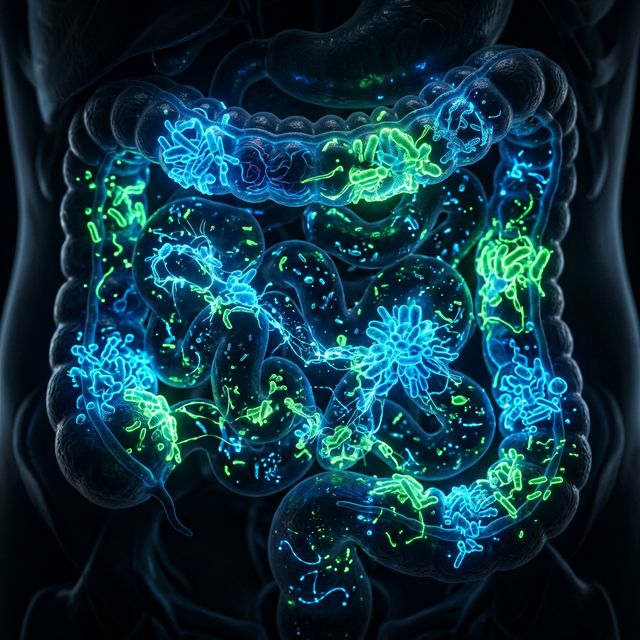
Unlock Your Peak Potential: How Your Gut Microbiome Revolutionizes Athletic Performance
For athletes striving for peak performance, the pursuit often focuses on rigorous training regimens, meticulous nutrition plans, and cutting-edge recovery techniques. Yet, beneath the surface, an entire universe operates within each of us, silently dictating our energy levels, recovery speed, immune resilience, and even mental fortitude. This unseen force is your gut microbiome – the trillions of bacteria, fungi, and other microbes residing in your digestive tract. Far from mere passengers, these microscopic inhabitants are a critical, often overlooked, component of athletic success.
Recent scientific breakthroughs are illuminating the profound connection between a healthy, diverse gut microbiome and an athlete’s ability to train harder, recover faster, and perform better. From synthesizing essential nutrients to modulating inflammation and influencing brain function, your gut bacteria are intimately involved in nearly every physiological process relevant to athletic prowess. Ignoring their impact is akin to trying to drive a high-performance vehicle with a compromised engine.
This article will delve deep into the intricate relationship between your gut microbiome and athletic performance, revealing how optimizing your internal ecosystem can unlock new levels of endurance, strength, and overall well-being. Prepare to discover the hidden power within and learn actionable strategies to harness it for your athletic journey.
The Gut Microbiome: Your Internal Athletic Support System
What exactly is the gut microbiome? It’s a complex ecosystem comprising over 100 trillion microorganisms, primarily bacteria, residing mainly in your large intestine. Each individual’s microbiome is unique, influenced by genetics, diet, environment, and lifestyle. Think of it as a bustling city within you, with different microbial citizens performing distinct jobs essential for your health.
These microbial communities play a crucial role in several bodily functions that directly impact an athlete:
- Digestion and Nutrient Absorption: While your stomach and small intestine handle initial digestion, your gut bacteria take over where your enzymes leave off, fermenting indigestible fibers and extracting additional calories and nutrients. They aid in the breakdown of complex carbohydrates that your body cannot digest, producing beneficial compounds.
- Vitamin Synthesis: Your gut microbes are little factories, synthesizing essential vitamins like Vitamin K (important for blood clotting and bone health) and several B vitamins (crucial for energy metabolism).
- Immune System Modulation: A staggering 70-80% of your immune cells reside in your gut. A healthy, diverse microbiome helps train and regulate your immune system, distinguishing between harmful pathogens and beneficial substances, thereby reducing susceptibility to illness – a common concern for athletes under intense training stress.
- Protection Against Pathogens: A robust community of beneficial bacteria occupies available niches and produces antimicrobial substances, creating a formidable barrier against invading harmful bacteria and viruses.
When this delicate balance is disturbed, a state known as dysbiosis occurs. This can lead to increased inflammation, impaired nutrient absorption, a weakened immune system, and gastrointestinal issues, all of which can severely hinder an athlete’s ability to train and compete effectively.
Direct Links: How Gut Health Fuels Performance & Recovery
The impact of your gut microbiome extends far beyond basic digestion. Its influence directly translates into tangible benefits for athletic performance and recovery.
- Enhanced Energy Metabolism: One of the most significant contributions of gut bacteria is their ability to produce short-chain fatty acids (SCFAs) like butyrate, propionate, and acetate through the fermentation of dietary fiber. These SCFAs serve as a primary energy source for your colon cells and can also be utilized by other tissues, potentially influencing glucose homeostasis and fat oxidation. For athletes, this means a more efficient conversion of food into usable energy, improving endurance and reducing fatigue during prolonged exertion. Research suggests that a diverse microbiome can also optimize carbohydrate utilization, providing a steady fuel supply.
- Reduced Inflammation and Faster Recovery: Intense exercise inevitably leads to muscle damage and a temporary inflammatory response. While necessary for adaptation, excessive or prolonged inflammation can impair recovery and increase the risk of injury. A healthy gut microbiome helps regulate systemic inflammation. SCFAs, particularly butyrate, possess potent anti-inflammatory properties, helping to quell post-exercise inflammation. Furthermore, a strong gut barrier prevents the leakage of bacterial toxins into the bloodstream (often referred to as “leaky gut” or increased intestinal permeability), which can otherwise trigger chronic low-grade inflammation. By maintaining gut integrity, athletes can experience faster muscle repair, reduced soreness, and quicker adaptation to training stress.
- Robust Immune Function: Athletes often face a phenomenon called the “open window,” where intense training can temporarily suppress the immune system, making them more susceptible to infections like upper respiratory tract illnesses. Given the gut’s central role in immune regulation, a thriving microbiome can significantly bolster an athlete’s defenses. Beneficial bacteria communicate with immune cells, strengthening the body’s ability to ward off pathogens. This translates to fewer sick days, more consistent training, and uninterrupted progress toward performance goals.
- Optimized Nutrient Absorption: While covered broadly above, it’s worth emphasizing the critical role of gut health in absorbing macronutrients (carbohydrates, proteins, fats) and micronutrients (vitamins, minerals) essential for an athlete’s demanding physiological needs. A compromised gut can lead to malabsorption, even from a perfectly planned diet, leaving athletes deficient in crucial building blocks for energy production, muscle repair, and overall health.
The Gut-Brain-Muscle Axis: Beyond Digestion
The influence of the gut microbiome isn’t limited to the physical aspects of performance. Emerging science is revealing a powerful connection between the gut, the brain, and even the muscles, known as the gut-brain-muscle axis.
- Mental Fortitude and Focus: The gut-brain axis is a bidirectional communication network linking the central nervous system with the enteric nervous system (the “second brain” in your gut). This connection involves the vagus nerve, neurotransmitters (like serotonin, 90% of which is produced in the gut), hormones, and inflammatory cytokines. An imbalanced gut can impact mood, increase stress and anxiety, and even impair cognitive function – all critical factors for an athlete’s mental resilience, focus during competition, and ability to push through perceived limits. A healthy gut, conversely, can support mental clarity, reduce exercise-induced psychological stress, and enhance motivation.
- Reduced Gastrointestinal Issues During Exercise: Gastrointestinal (GI) complaints are remarkably common among athletes, especially in endurance sports. Symptoms like nausea, cramping, diarrhea, and runner’s trots can derail performance and even force withdrawal from competition. Factors contributing to exercise-induced GI distress include reduced blood flow to the gut, mechanical stress, and increased gut permeability. A healthy, diverse gut microbiome, with its strong epithelial barrier and balanced inflammatory response, is less susceptible to these stressors, leading to fewer disruptive symptoms and a more comfortable, effective performance.
- Muscle Function and Metabolism: While still an active area of research, there’s growing evidence suggesting that gut microbes may directly influence muscle growth and function. SCFAs can play a role in mitochondrial function within muscle cells, potentially improving energy efficiency. Furthermore, specific gut bacteria have been linked to improved insulin sensitivity and glucose metabolism, which are vital for fueling muscle contractions and recovery.
Practical Strategies to Optimize Your Athletic Gut
The good news is that you have significant control over the health and diversity of your gut microbiome. By implementing strategic dietary and lifestyle changes, athletes can actively cultivate an internal environment optimized for peak performance.
1. Prioritize a Diverse, Whole-Food Diet
Your diet is the most powerful lever you have for shaping your microbiome. Focus on:
- Abundant Fiber: Dietary fiber is the primary food source for your beneficial gut bacteria. Consume a wide variety of fruits, vegetables, whole grains (oats, quinoa, brown rice), legumes (beans, lentils), nuts, and seeds. Aim for 30-50 grams of fiber daily from diverse sources to feed a broad range of microbes.
- Fermented Foods: Incorporate naturally probiotic-rich foods into your diet. Examples include yogurt and kefir (with live active cultures), sauerkraut, kimchi, tempeh, and kombucha. These foods introduce beneficial microbes directly into your gut.
- Polyphenol-Rich Foods: Polyphenols are plant compounds found in berries, dark chocolate, green tea, coffee, and colorful vegetables. They act as prebiotics, selectively fueling beneficial gut bacteria, and possess antioxidant and anti-inflammatory properties.
- Healthy Fats: Include sources of omega-3 fatty acids (fatty fish, flaxseeds, chia seeds, walnuts), which have anti-inflammatory effects that can benefit gut health.
- Limit Processed Foods and Artificial Sweeteners: Highly processed foods, refined sugars, and artificial sweeteners can negatively alter gut composition, promoting the growth of less beneficial bacteria and potentially increasing inflammation.
2. Consider Targeted Supplementation (Wisely)
While diet is foundational, certain supplements can offer additional support:
- Probiotics: Specific probiotic strains have been researched for athletic benefits, such as reducing exercise-induced GI distress, boosting immunity, or improving recovery. It’s crucial to choose a high-quality supplement with clinically studied strains and consult with a healthcare professional or sports dietitian to identify strains best suited for your individual needs.
- Prebiotics: If your fiber intake is consistently low, prebiotic supplements (like inulin, FOS, GOS) can help feed your beneficial gut bacteria. However, obtaining prebiotics from whole foods is generally preferred.
3. Optimize Lifestyle Factors
Beyond diet, several lifestyle choices significantly impact gut health:
- Manage Stress: Chronic stress has a profound negative impact on the gut microbiome and intestinal barrier function via the gut-brain axis. Incorporate stress-reduction techniques like meditation, yoga, mindfulness, or spending time in nature.
- Prioritize Sleep: Adequate, quality sleep is crucial for overall health, including gut health. Sleep deprivation can disrupt the microbiome and increase inflammation.
- Stay Hydrated: Water is essential for maintaining gut motility and regularity, facilitating the passage of food and waste through the digestive system.
- Minimize Unnecessary Antibiotics: While sometimes vital, antibiotics indiscriminately kill both good and bad bacteria, significantly disrupting the microbiome. Use them only when necessary and consider probiotic support during and after a course.
4. Listen to Your Body
Pay attention to digestive symptoms (bloating, gas, changes in bowel movements), energy levels, recovery rates, and susceptibility to illness. These can all be indicators of your gut health. Keep a food and symptom journal to identify potential triggers or beneficial changes.
Conclusion
The notion that athletic success hinges solely on muscle, sweat, and protein shakes is an outdated one. The burgeoning science of the gut microbiome reveals a hidden dimension to performance, recovery, and overall well-being. By nurturing this internal ecosystem, athletes have the power to optimize their energy metabolism, accelerate recovery, fortify their immune system, and enhance mental resilience.
Embracing a gut-healthy lifestyle isn’t just about avoiding digestive issues; it’s about unlocking a profound biological advantage. By consciously feeding and supporting your beneficial gut microbes, you’re not just improving your digestive health – you’re investing in a holistic strategy that can redefine your athletic potential, enabling you to train harder, compete stronger, and live healthier, both on and off the field.